Blue-Light Glasses for Screen Time — The 2026 Evidence Review
Blue-light blocking glasses examined against current peer-reviewed research — what the studies actually show about eyestrain, sleep, and whether the glasses help with screen time.
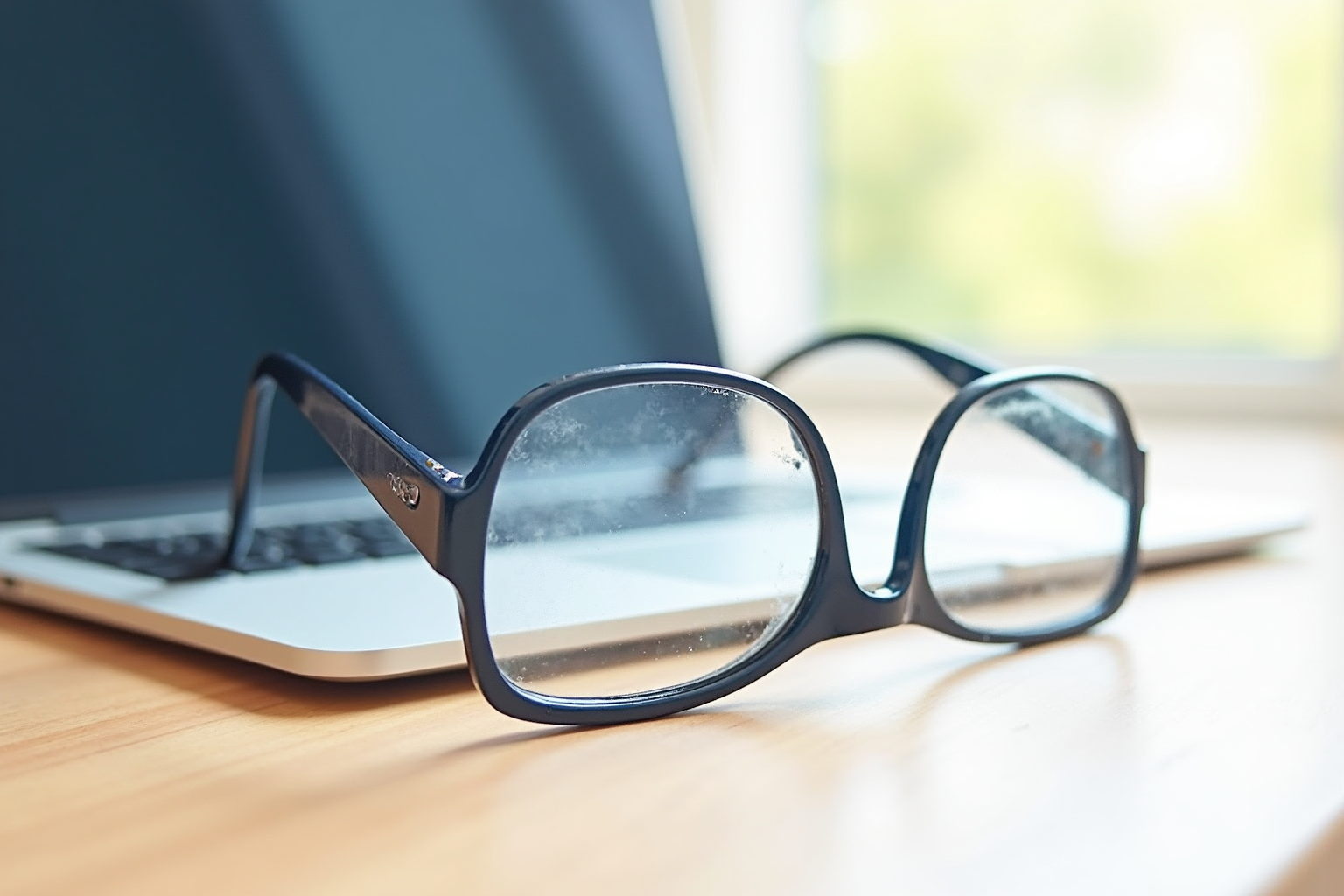
The blue-light glasses market boomed between 2018 and 2022 on the promise of reducing screen-induced eye strain. The marketing claims — protect your eyes, fix digital fatigue, sleep better — were appealing and widely repeated. The research evidence in 2026 tells a more measured story: blue-light filtering glasses produce minimal benefit for the short-term eye strain symptoms they are marketed against, although the evening-screen-use-for-sleep mechanism has more support.
This article walks through the current peer-reviewed evidence and separates the marketed benefits from the actual measured ones. The conclusion is not “blue-light glasses are useless” — it is “blue-light glasses help with one specific use case (evening device use before sleep) and very little else, and the standard interventions for digital eye strain matter more than the glasses themselves.”
- What the 2023 Cochrane review actually concluded about eye strain
- The blue-light-and-sleep mechanism and where it does work
- Standard interventions that outperform the glasses
- When prescription glasses would help more than blue-light filtering
- Top picks if you decide to buy a pair anyway
What the Cochrane review concluded

The 2023 Cochrane systematic review pooled 17 randomized controlled trials covering 619 participants who used blue-light-filtering spectacle lenses for tasks ranging from 1 day to 5 weeks. The conclusion: blue-light filters “may have little to no effect on visual fatigue with computer use in the short term” compared to non-blue-blocking lenses, and the effect on macular health, sleep, and ocular surface comfort was either negligible or inconclusive.
Cochrane reviews are the gold standard for medical evidence — they aggregate randomized controlled trials and adjust for trial quality and bias. The 2023 review’s conclusion contradicts most consumer marketing claims about blue-light filtering glasses for daytime computer work.
The American Academy of Ophthalmology has adopted a parallel position: there is insufficient evidence that blue light from screens causes eye damage, and there is no evidence that blue-light filtering glasses prevent digital eye strain symptoms. The AAO recommends standard interventions (20-20-20 rule, viewing distance, room lighting) over blue-light filtering.
What digital eye strain actually is
The cluster of symptoms marketed as “digital eye strain” — tired eyes, dry eyes, headache, blurry vision after long computer use — is caused by mechanisms that the blue-light filter does not address:
Reduced blink rate: Normal blink rate is 15-20 per minute. During focused screen work, blink rate drops to 5-7 per minute. The reduced blinking causes tear film evaporation, leading to dry, gritty, tired eyes. The intervention: conscious blinking, artificial tears, room humidity around 40-60%.
Focus fatigue (asthenopia): The ciliary muscle inside the eye contracts to focus on near objects (under 6 feet). After 30-60 minutes of sustained near focus, the muscle becomes fatigued and produces a sensation of tired eyes. The intervention: the 20-20-20 rule (look at something 20 feet away for 20 seconds every 20 minutes) gives the ciliary muscle a rest break.
Glare and reflection: Bright screens against dim rooms produce harsh contrast that strains the iris’s adjustment cycle. The intervention: room lighting that balances screen brightness, anti-reflective coating on glasses, matte screen protectors.
Uncorrected refractive error: Mild near-point focusing issues that the user has lived with for years become symptomatic during sustained near work. The intervention: a comprehensive eye exam and proper prescription correction.
Blue-light filtering does not address any of these. The narrow band of blue light (415-455 nm) that the filters block has not been shown to cause any of these symptoms in controlled studies.
Where blue-light filtering does help — evening sleep prep
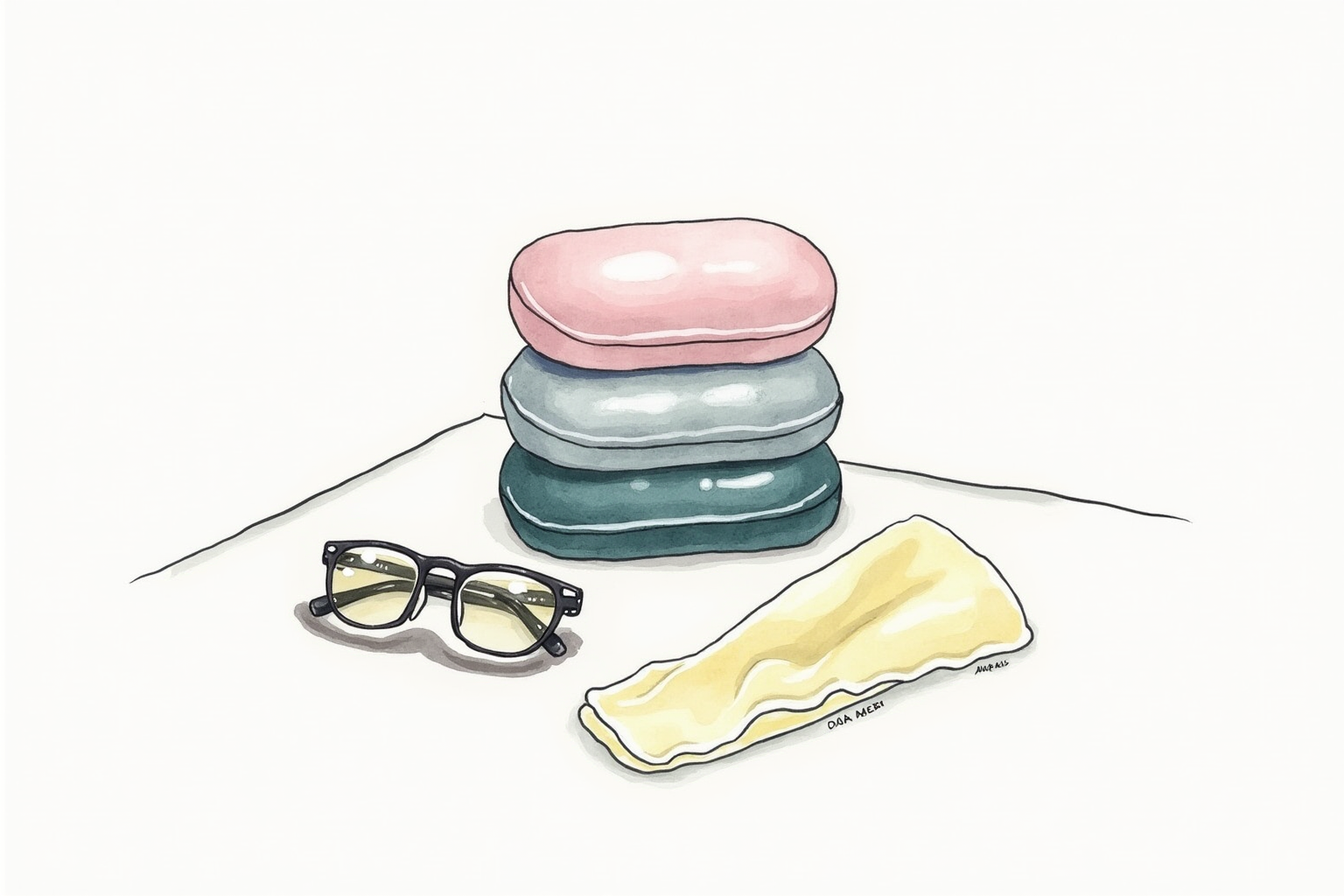
The one place where blue-light filtering has more scientific support is the relationship between evening screen exposure and sleep onset. The mechanism: blue-wavelength light (especially 460-480 nm) suppresses melatonin production by stimulating the intrinsically photosensitive retinal ganglion cells (ipRGCs) that signal the suprachiasmatic nucleus that it is daytime.
Studies from Harvard Medical School and the National Institutes of Health show that 2 hours of evening blue-light exposure can delay melatonin onset by approximately 1.5 hours. For people who use phones, tablets, or computers in the 2-3 hours before bed, this delays sleep onset and reduces sleep quality.
Blue-light filtering glasses worn during evening device use can reduce this melatonin suppression. The effect is real but modest — most studies show approximately 50-80% restoration of normal melatonin production when blue-light is filtered, depending on the filter’s percentage and the wearer’s individual sensitivity.
However, blue-light glasses are not the most effective intervention even for this use case. More effective options:
- Dim the screen brightness in the evening (most operating systems include automatic dimming after sunset)
- Use night-mode color shifting (Apple’s Night Shift, Android’s Night Light, Windows’ Night Light, f.lux) which shifts the screen toward warmer colors that emit less blue
- Reduce overall room light intensity — the ceiling fluorescent or LED is often a bigger blue-light source than the screen
- Stop screen use 30-60 minutes before bed — the gold standard sleep hygiene intervention
The blue-light glasses are a backup if the more effective interventions are not available.
When prescription glasses help more

A significant portion of people who buy blue-light glasses have actually developed mild refractive error that prescription correction would help. Common patterns:
Mild near-sightedness or astigmatism that the person learned to live with but that produces fatigue during sustained near work. A prescription with mild correction (often -0.5 to -1.25 diopters) produces dramatic improvement that no amount of blue-light filtering can match.
Presbyopia onset in users 40+ years old. The ciliary muscle’s range of focus shortens with age. Standard treatment is reading glasses or progressive lenses; users who notice “blurry screen, need to lean back” in their early 40s should have their accommodation tested rather than blame the screen.
Computer-specific prescriptions that optometrists call “intermediate distance” lenses. These are tuned for the 24-28 inch viewing distance of a desktop monitor, distinct from reading glasses (12-16 inches) or distance correction. For people who spend most of their day at a single monitor, this is the best single eyewear upgrade.
If you have not had an eye exam in 2+ years, the right first investment is the exam, not blue-light glasses.
Top picks if you decide to buy
Felix Gray Blue-Light Glasses (Frame + Lens Package)
Price · $95-175 — best non-prescription pick
+ Pros
- · Premium frame quality from an established eyewear brand
- · Strong anti-reflective coating in addition to blue-light filter
- · Available with prescription add-on for users who need correction
− Cons
- · Premium price reflects brand and lens optical quality
- · Blue-light filtering effect is modest per peer-reviewed research
Paid affiliate link. Price, availability, and ratings can change; verify details on the retailer page before buying.
Gunnar Optiks Computer Glasses (Amber Tint)
Price · $60-130 — best for evening screen time
+ Pros
- · Higher blue-light filter percentage than clear-lens competitors
- · Designed specifically for screen-heavy work (gaming, programming)
- · Slight amber tint produces more measurable melatonin-onset benefit
− Cons
- · Amber tint slightly distorts color perception — not ideal for color-critical work
- · Wraparound frame style is polarizing — fans love it, others find it odd
Paid affiliate link. Price, availability, and ratings can change; verify details on the retailer page before buying.
Cyxus Blue-Light Glasses (Budget Pick)
Price · $25-45 — budget pick for trial use
+ Pros
- · Low entry cost to test whether blue-light glasses feel comfortable
- · Wide variety of frame styles available
- · Some models include reading correction (+1.0 to +2.5 diopters)
− Cons
- · Lens optical clarity below premium brands
- · Anti-reflective coating quality varies — some models reflect noticeably
Paid affiliate link. Price, availability, and ratings can change; verify details on the retailer page before buying.
The buying decision
For people whose primary concern is daytime computer eye strain, blue-light glasses are not the right intervention. The research evidence is clear that they produce minimal benefit for the symptoms they are marketed against. Instead, implement the standard interventions: 20-20-20 rule, viewing distance, room lighting, frequent blinking, hydration. Then if symptoms persist, get an eye exam to rule out uncorrected refractive error.
For people whose primary concern is evening screen use disrupting sleep, blue-light glasses have more evidence support and may help. Even better: combine them with screen night mode and dim the room lighting. The glasses are one piece of the evening light-management puzzle, not the whole answer.
For people who already wear prescription glasses, adding a blue-light filter to the lenses is inexpensive and produces a modest benefit at very low marginal cost — there is no downside to the add-on if you are getting prescription lenses anyway.
For people who simply prefer how the glasses make them feel — even if the measurable benefit is small — wearing them is harmless and the placebo effect itself is a benefit. The glasses do no harm; the question is whether they justify $60-180 for a placebo-level benefit you could replicate with screen settings.
Eye strain has well-understood causes and well-validated interventions. Blue-light glasses target a narrow piece of the problem and the evidence for that piece is weaker than the marketing suggests. Spend on the standard interventions first; the glasses come last in the priority order.