Remote Work Ransomware First-Hour Response Plan for Employees and Freelancers
A role-aware first-hour ransomware plan for isolating a device, contacting the right people, preserving evidence, protecting accounts, and maintaining work continuity.

A ransomware alert on a remote computer creates two competing impulses: click everything to make the message disappear, or search privately for a quick decryptor while continuing to work. Both can increase damage. The first hour should be a controlled sequence: isolate, report, preserve, scope, and continue essential communication through a known-clean channel.
The CISA StopRansomware Guide provides prevention and response guidance, while NIST SP 800-61 Rev. 3 frames incident response as part of cybersecurity risk management. This article translates those organizational principles into a remote-worker decision plan. It is not a substitute for an employer’s incident procedure, a forensic responder, legal counsel, insurer instructions, or law enforcement.
Minute 0–5: stop work and isolate without investigating
Warning signs can include a ransom note, files changing extensions, widespread access errors, security software alerts, unusual login prompts, or a coworker reporting malicious messages from your account. One odd file does not prove ransomware, but a credible warning justifies containment.
- Stop opening files, email, chat attachments, sync folders, and cloud drives.
- Disconnect Wi-Fi and unplug Ethernet if that can be done without interacting with suspicious software.
- Disconnect external drives only if it is physically safe and consistent with the response plan.
- Do not connect a personal drive to “save the good files.”
- Do not browse for tools on the suspected device.
- Use a separate known-clean phone or computer to contact the authorized response channel.
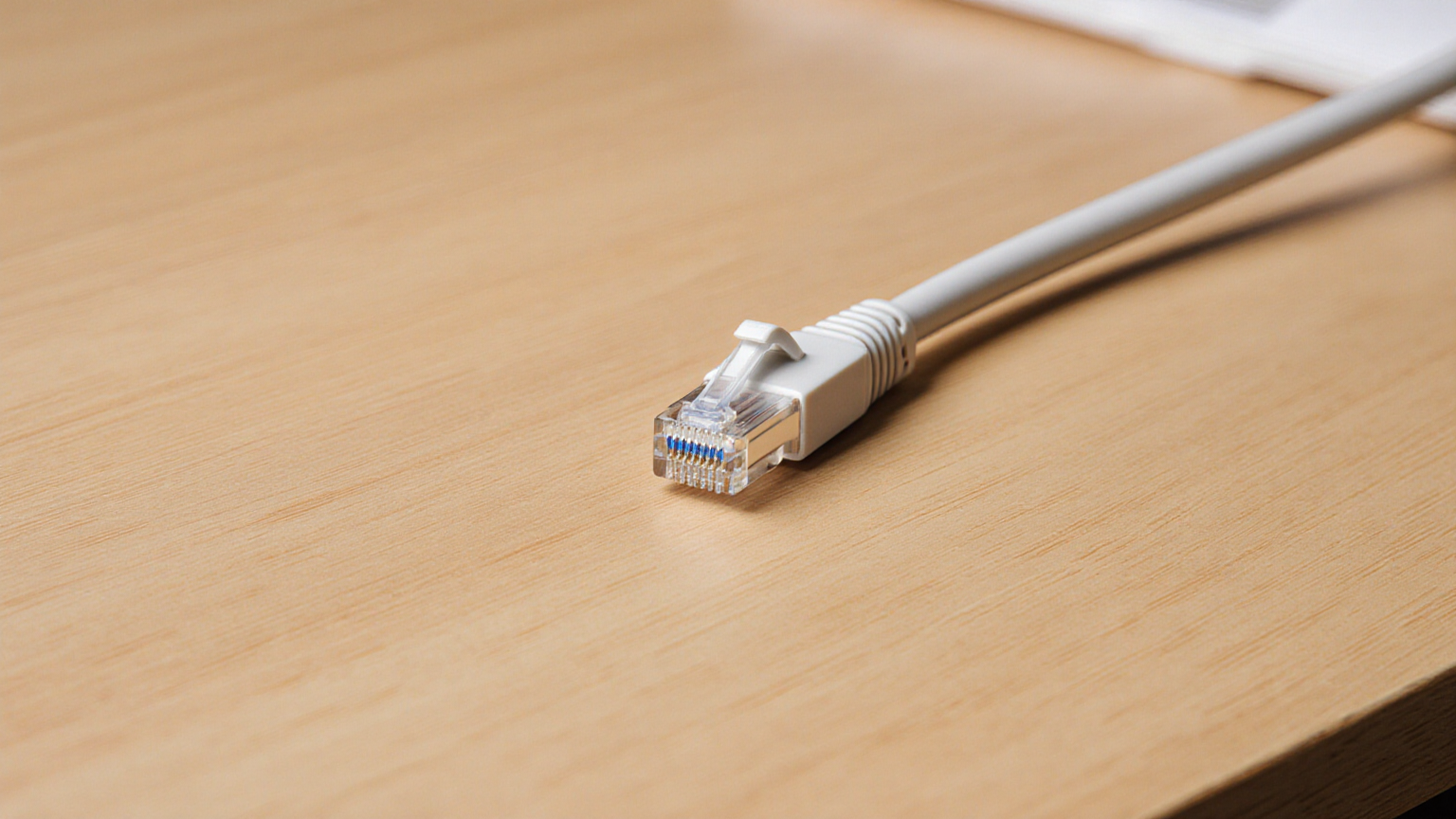
Isolation is not eradication. It limits communication and synchronization while responders determine scope. Do not reconnect merely because the ransom window disappears. A managed employer device may retain useful volatile evidence; whether to power off should follow the employer’s procedure or responder direction. If there is an immediate physical hazard—overheating, smoke, or electrical danger—physical safety comes first.
Employees, contractors, and freelancers have different authority
| Role | First authorized contact | What not to do alone |
|---|---|---|
| Employee on managed device | security desk, IT hotline, manager per policy | wipe, restore, pay, negotiate, or notify customers |
| Contractor using client-managed device | client security contact plus own contract lead | copy client data or move evidence to a personal system |
| Freelancer on self-managed device | qualified incident responder, insurer if applicable, counsel for obligations | restore blindly, promise containment, or conceal affected client data |
An employee normally does not own the incident communication. A freelancer may own more decisions but also faces contractual, privacy, insurance, and jurisdictional obligations. Do not turn a technical suspicion into a customer breach declaration without verified scope and qualified advice. Conversely, do not delay the authorized internal report to protect reputation.
The site’s secure remote-work travel kit helps separate work and travel devices before an incident. If the event began on a home network, use the home-network guest-access audit later to improve segmentation; do not start reconfiguring the router while responders are trying to preserve the incident state.
Minute 5–15: make a concise report from a clean channel
Provide facts, not a diagnosis:
- your name, role, and contact number;
- device asset ID if visible without reopening the system;
- location and whether the device is remote or on-site;
- exact time the first sign appeared;
- what you saw, including file names or note wording from memory;
- networks, drives, and sync tools that were connected;
- last action taken before the alert;
- isolation steps already completed;
- whether business-critical, personal, regulated, or client data may be present.
Do not photograph sensitive client data or upload screenshots to a consumer forum. If the response team requests images, use its approved transfer method. Never send passwords, recovery codes, private keys, or full identity documents in an ordinary chat.

Create a paper timeline or a clean-device note that records time, observation, action, and person contacted. A useful line is: “09:14 — disconnected Ethernet after file-extension changes; did not power off; called security desk at 09:17.” Avoid speculation such as “attacker entered through VPN” unless evidence supports it.
Minute 15–30: protect communications without destroying evidence
A responder may ask whether credentials used on the affected device should be reset. Make those changes from a known-clean device, using a known-good path to the service. Prioritize the email or identity account that can reset other accounts, followed by remote-access, cloud-storage, finance, and administrator credentials. Do not reuse a new password on the suspect machine.
If your employer controls identity, follow its sequence. The team may revoke sessions, disable an account temporarily, or preserve logs before changes. Freelancers should inventory services that were open, but avoid mass-changing everything so quickly that they lose the ability to track what happened. Record each change.
NIST’s ransomware risk-management profile connects preparation, identity protection, recovery, and communications. CISA’s cross-sector performance goals likewise emphasize foundational practices. Neither source guarantees that one password reset contains a compromised endpoint.
Do not negotiate or pay from the affected environment
The FBI ransomware guidance explains reporting and risk considerations. A ransom payment does not guarantee a working decryptor, deletion of stolen data, or the end of extortion. Payments can also raise legal, sanctions, insurance, and fraud issues. An individual employee should never negotiate. A self-employed person should involve qualified incident-response, legal, insurance, and law-enforcement resources rather than sending cryptocurrency after reading a countdown.
Do not contact the attacker merely to “buy time.” Communication can reveal more information, create commitments, or alter evidence. Preserve the note through an authorized method. If a report is appropriate, CISA provides a cyber incident reporting path, and the FBI’s Internet Crime Complaint Center accepts complaints. Reporting choices depend on the incident and jurisdiction; a public web form is not a replacement for urgent employer escalation.
Minute 30–60: establish a clean continuity lane
Remote work often fails operationally before recovery begins: coworkers keep sending files, calendar links go to a locked account, and the affected person silently moves to an unmanaged device. Define a temporary lane:
- one approved clean device, if the organization authorizes it;
- one verified voice or messaging channel;
- one coordinator for assignments and customer communication;
- a prohibition on transferring files from the affected system;
- a written list of work that can safely pause;
- a next check-in time.

The remote-team documentation system can reduce dependency on one person’s local files, but during an incident the team must distinguish ordinary documentation from possibly affected shared storage. A separate backup power and internet plan helps with availability; it does not make a second network safe if credentials or endpoints are compromised.
Estimate business interruption transparently
Use ranges rather than pretending to know the recovery time:
Expected interruption cost = unavailable work hours × loaded hourly cost + responder cost + replacement or rebuild cost + documented contractual impacts.
Hypothetical example:
| Input | Low scenario | High scenario |
|---|---|---|
| Unavailable labor | 12 hours × $55 = $660 | 40 hours × $55 = $2,200 |
| Specialist response | $1,500 | $7,500 |
| Device rebuild/replacement | $300 | $2,000 |
| Confirmed contractual costs | $0 | $3,000 |
| Planning range | $2,460 | $14,700 |
These figures are examples, not market rates or predictions. Exclude speculative reputation damage from the immediate cash plan. Keep cash outflow, lost productive capacity, insured costs, deductible, and possible reimbursements separate. The decision value is identifying a reserve and approval threshold, not publishing a dramatic loss estimate.
Backups need quarantine and testing
NIST’s guides on identifying and protecting assets and detecting and responding to ransomware show why recovery is a controlled process, not simply plugging in a drive. A backup may be incomplete, synchronized after encryption, connected to compromised credentials, or contain the malicious foothold.
Before restoration, responders should identify a trustworthy recovery point, rebuild or validate the destination, scan and test data through an appropriate process, rotate affected credentials, and monitor after reconnection. Keep at least one protected copy unavailable to routine account compromise. Test restoration on an ordinary day; a green backup dashboard is not proof that a usable file or system can be restored.
Evidence preservation without amateur forensics
Preserve the original device and logs according to authorized direction. Record names of connected services, approximate times, and people contacted. Do not install cleanup software, run random scripts, delete the note, rename encrypted files, or repeatedly reboot to see if the problem clears. Do not copy client material to personal cloud storage in the name of evidence.
For freelancers, contracts and privacy law may dictate notice and preservation obligations. Obtain jurisdiction-specific advice. For employees, the employer’s legal and security teams own those decisions. This guide does not determine whether a legally reportable breach occurred; ransomware on one endpoint and confirmed unauthorized acquisition of regulated data are different findings.
After containment: convert the incident into controls
A blameless review should ask:
- Which alert or observation started the response?
- How long did isolation and reporting take?
- Which connected accounts, shares, and devices required review?
- Were clean communication and alternate work options defined?
- Did backups restore at the required recovery point and time?
- Which controls failed, and which uncertainty remains?
- Who owns each corrective action and verification date?

Prevention work may include patching, phishing-resistant MFA where supported, least privilege, application controls, segmented backups, logging, and tabletop exercises. Do not claim an employee “caused” the incident merely because a message was opened; response quality improves when people can report quickly without hiding mistakes.
The first hour is successful when risky activity stops, authorized responders have useful facts, evidence is not casually destroyed, essential communication moves to a clean lane, and no one makes an irreversible payment or disclosure alone. Recovery may take longer, but disciplined first actions preserve better options.